LCD panel grades explained — A, A+ and refurb levels, how power-on inspection works, and the six points to confirm with any supplier before payment.
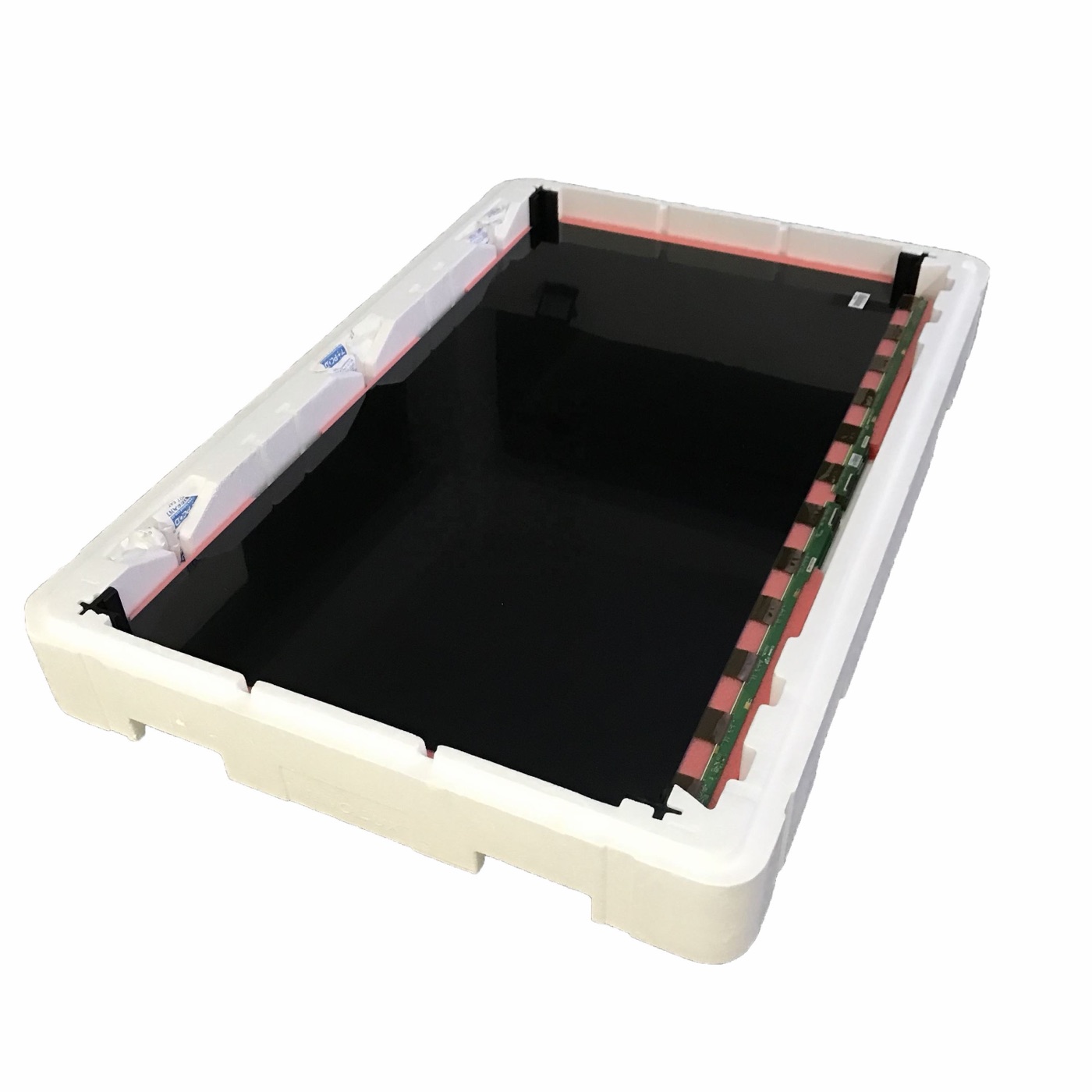
Open cell panels move through several lives before they reach a production line or a repair bench — which is why grade is the single most negotiated variable in panel sourcing. This guide explains how grading works at QF Electronics and the six points to confirm with any supplier before you pay.
Every panel is powered on and inspected before it is graded: dead pixels, lines, backlight uniformity and physical condition. The result places the panel in one of three bands:
| Grade | What it means | Typical use |
|---|---|---|
| A | Cosmetically and functionally near-new | Premium repairs, brand-visible builds |
| A+ | Selected stock with minimal cosmetic marks | Quality-sensitive assembly programs |
| Refurb levels | Functionally tested; cosmetic wear documented per unit | Price-sensitive repair channels |
Two rules make this usable for the buyer: the grade is stated on the quotation and packing list — no silent substitutions — and batch photos are attached before payment. The grade on paper is the reference for any claim. Full inspection & grade definitions →
Grade differences are usually cosmetic, not functional — a refurb-level panel with documented wear performs like the A-grade unit next to it. Price-sensitive channels buy refurb deliberately; premium repair chains buy A. Neither is "better" in the abstract: the right grade is the one your customers pay for. What matters is that the grade you agreed is the grade that ships.